Lucky center , Wanchai Road, Hong Kong

BAKED WHOLE-SET EQUIPMENT

Development Baking Just Got Easier

Baking: What You Need to Know

  1. What is Baking?

    Baking is a cooking method that uses dry heat, typically in an oven, to prepare food. It’s a fundamental technique for making bread, pastries, cakes, and many other savory and sweet foods. The process transforms raw ingredients into delicious, edible products through the complex interactions of heat, moisture, and various ingredients.

    Ingredients in Baking

    The primary ingredients used in baking are:

    1. Flour: The main structure-building ingredient, usually made from wheat. It provides gluten when mixed with water, which gives baked goods their shape.
    2. Water: Essential for hydration. It activates gluten and dissolves other ingredients like salt and sugar.
    3. Leavening Agents: Substances like baking soda, baking powder, and yeast are used to create gas (carbon dioxide) during mixing or baking. This gas helps the dough rise and creates a light texture.
    4. Fats: Ingredients such as butter, oil, or shortening provide moisture, flavor, and tenderness to baked goods.
    5. Sugars: Sucrose or other sweeteners add sweetness, improve flavor, and help with browning through caramelization.
    6. Salt: Enhances flavor and strengthens gluten, contributing to the overall texture and structure.
    7. Eggs: Provide moisture, aid in leavening, and contribute to color and richness.

    How is Baking Made?

    The Baking Process generally involves the following steps:

    1. Preparation: Gather ingredients and equipment. Preheat the oven if necessary. Measure ingredients accurately to ensure proper chemical reactions.
    2. Mixing: Combine ingredients in a specific order (often dry ingredients first, then wet). This may involve creaming butter and sugar, mixing flour with leavening agents, or whisking eggs.
    3. Kneading (for bread): This develops gluten, creating a strong structure that traps gas bubbles.
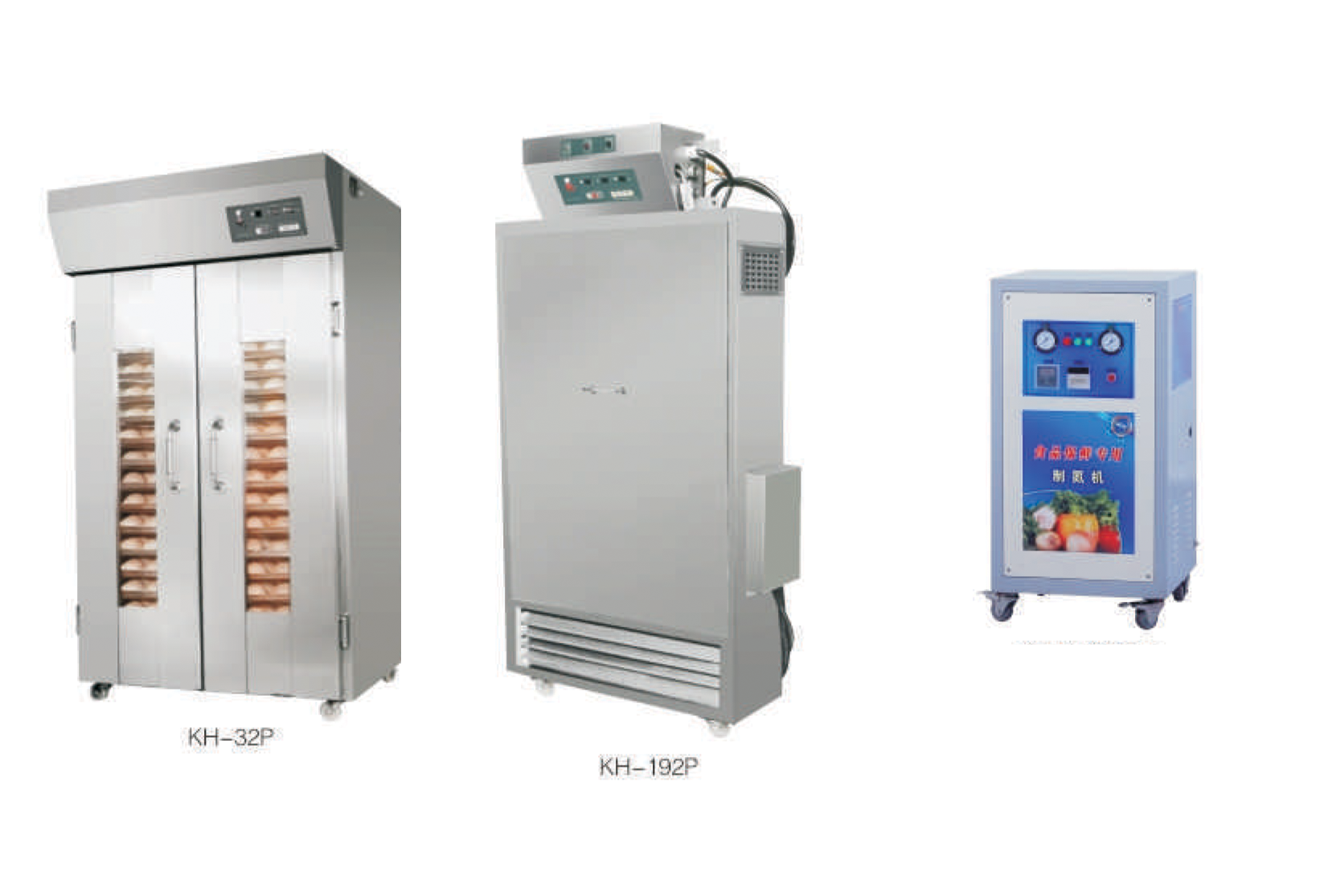
    4. Proofing/Resting: For yeast-leavened products, allowing the dough to rise in a warm environment to develop flavor and texture.
    5. Baking: Place the mix in a preheated oven. Heat transforms the ingredients: moisture evaporates, sugars caramelize, and proteins coagulate, resulting in a solid structure.
    6. Cooling: After baking, products are usually cooled on racks to prevent sogginess and improve texture.

    Types of Baking

    1. Bread Baking: Focused on yeast-leavened products, involving processes like mixing, kneading, proofing, shaping, and baking.
    2. Pastry Baking: Includes a variety of baked goods like pies and tarts, typically requiring techniques like rolling dough and layering fats.
    3. Cake Baking: Often uses a combination of chemical leaveners and eggs to create light and fluffy textures. Various techniques, such as creaming or whisking, are utilized.
    4. Specialty Baking: This encompasses gluten-free baking, vegan baking, and more, adapting traditional recipes to different dietary needs.